Research Areas
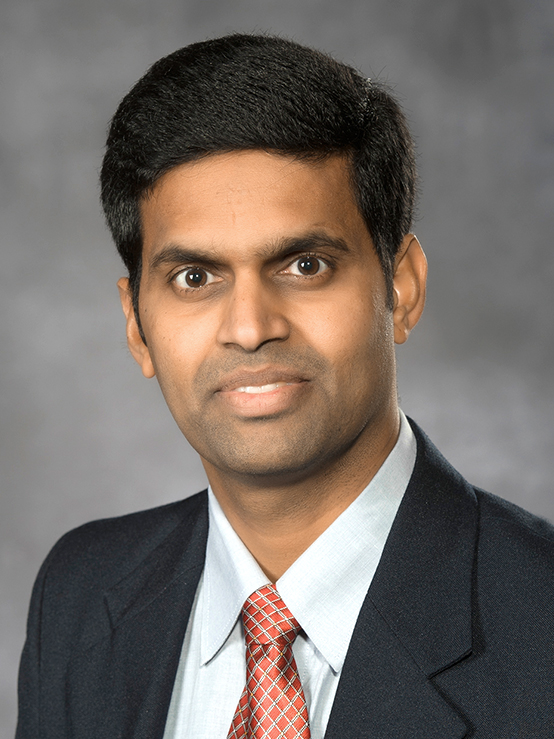 |
Krishna Boini, Ph.D.Research in my laboratory mainly focus on the molecular mechanisms of renal glomerular injury associated with obesity and hypertension in particular the role of NLRP3 inflammasomes in obesity-induced chronic kidney diseases. |
|---|---|
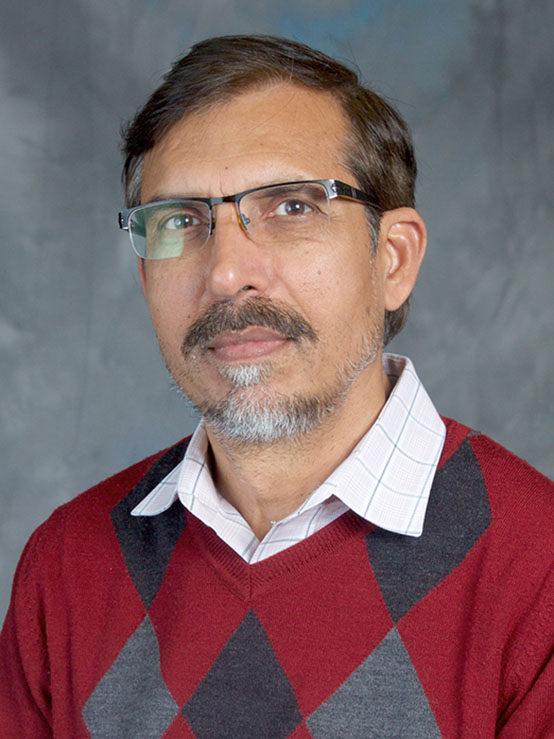 |
Tahir Hussain, Ph.D., FAHA, FSNOur research is focused on understanding the cellular and molecular regulation of the Angiotensin hormone and its receptor expression and the physiological and therapeutic role of these molecules (especially AT2 receptor) in improving renal-cardiovascular function, lowering blood pressure and reducing body weight and inflammation. These investigations utilize molecular/biochemical, cellular and physiological/metabolic approaches, including renal function and blood pressure measurements in various obesity animal models. Recently, we found that renal AT2 receptor expression is increased and mediates natriuresis in diabetic and obese rat models. Also, we observed that AT2 receptors may have roles in inflammation, lipid metabolism and insulin sensitivity, which interrelated phenomenon in obesity. Our studies also revealed that AT2R may be more beneficial in females in reducing obesity. We expect that our molecular and whole-animal studies will indicate a therapeutic target to treat obesity and related health disorders, including hypertension, diabetes and kidney disease. |
 |
Sai Sudha Koka, Ph.D., FAHA, R.Ph.Dr. Koka's research is focused on understanding the molecular and signaling mechanisms regulating the development of cardiometabolic disorders and identifying novel pharmacologic strategies to combat cardiovascular diseases (CVD), such as atherosclerosis in diabetic, obese and aging patients. Her laboratory has extensive experience in using various pre-clinical disease models like ischemia reperfusion injury, diabetic cardiomyopathy, aortic aneurysm, atherosclerosis and endothelial dysfunction. Ongoing research projects include:
|
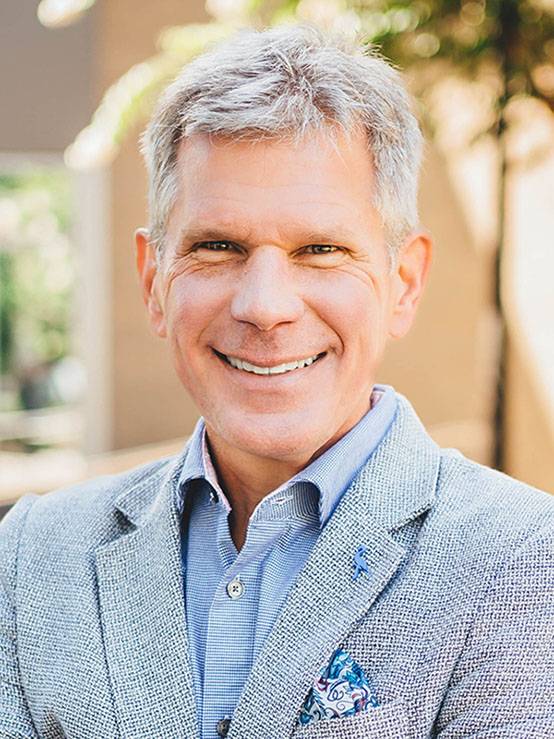 |
Bradley McConnell, Ph.D., FAHA, FCVSResearch interests in my laboratory are focused on understanding the biology, physiology, and pharmacology of cardiac contractility and function in both normal healthy hearts as well as in diseased hearts. Laboratory research projects include: (3) characterizing A-kinase Anchoring Protein (AKAP) “signalosomes” in β-adrenergic receptor (β-AR) mediated signaling, (2) defining β-adrenergic receptor (β-AR) mediated “biased” signaling, (3) characterizing the cardiac effects of chronic catecholamine exposure on post-burn wound healing and scarring, and (4) investigating guided differentiation of reprogrammed progenitor cells to form mature cardiac cells and engineered heart muscle for cardiac repair. By addressing clinically significant basic science questions, our overall objective is to better understand cardiac signaling mechanisms for the development of innovative therapies focused on improving cardiac contractility of failing hearts and cardiac repair of myocardial infarcted (i.e. heart attack) hearts. |
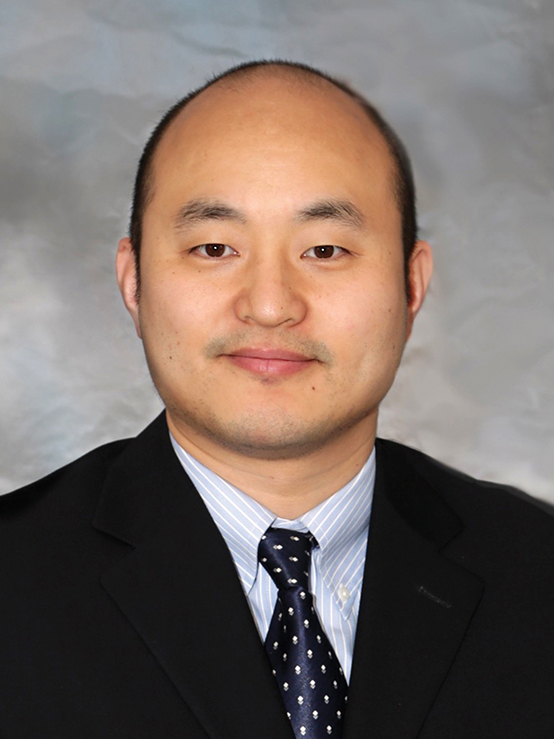 |
Yang Zhang, Ph.D.The major goal of my research is to investigate the molecular and immunological mechanisms implicating in the initiation of chronic cardiovascular diseases such as atherosclerosis. Currently, my lab has two independent research programs. The two independent research programs in my lab are: 1) the molecular mechanisms regulating lysosome trafficking and autophagy associated with ceramide and redox signaling as well as the control of cell differentiation and dedifferentiation during atherogenesis; 2) the pathogenic role of inflammasomes in vascular injury and fibrosis including the recruitment and activation of immune or inflammatory cells, the uncanonical roles in tissue injury and repair, and the signaling of intracellular RNA receptors in determining the susceptibility to degenerative vascular injury during repeated viral infections such as cold, flu or herpes attacks. |